
1. Introduction
This is where we start controlling something with real mechanical force behind it. We'll wire up a small DC motor through an L293D driver chip and control its direction with the exact same UART menu style from Experiment 9's relay, type 1, it spins one way, type 2, the other. This is the same fundamental technique behind a car's power window motor or a robot's wheel drive.
2. Scope
We'll understand why a plain GPIO pin can't reverse a motor on its own, wire up the L293D between the microcontroller and the motor, and control direction through two GPIO pins. This builds directly on the menu-driven UART pattern from Experiments 2 and 9, applied here to something with actual moving parts.
3. Prerequisite
3.1 Hardware
-
STM32 Nucleo-F070RB development board
-
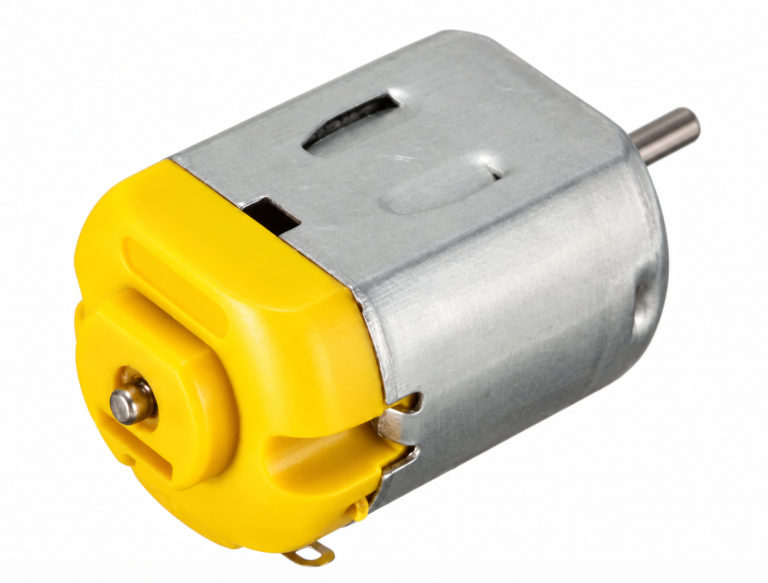
Small DC motor
-
L293D motor driver IC (or a breakout module containing it)
-
External power supply appropriate for the motor, separate from the Nucleo board's own supply, see Section 5.3
-
Breadboard and jumper wires
-
PC with PuTTY
3.2 Software
-
STM32CubeMX (standalone)
-
STM32CubeIDE
-
ST-LINK USB driver
-
PuTTY, or an equivalent serial terminal app
Community Q&A
0 questionsAsk questions and get answers from our community and staff moderators.
No questions yet — be the first to start the conversation!
Ask a Question
Please log in to ask a question or post a reply.
Login to Participate