
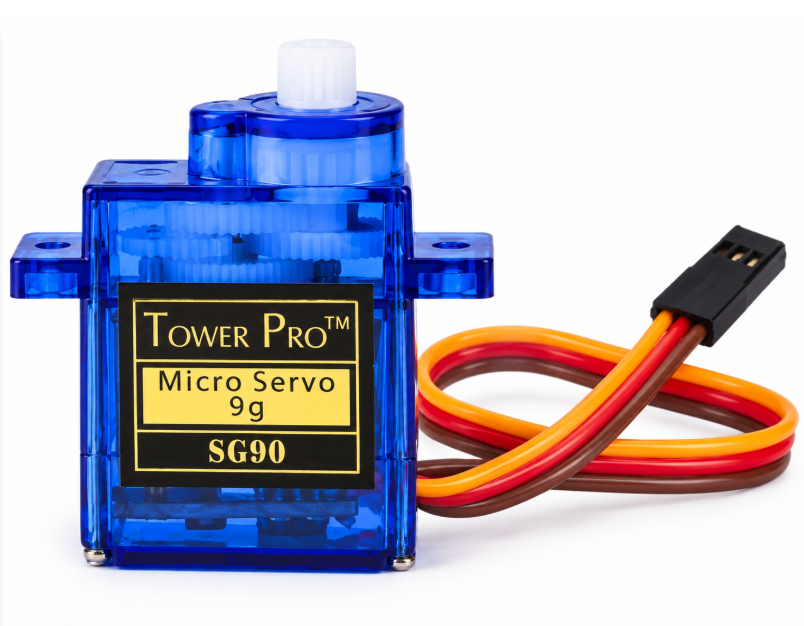
For our last experiment in this batch, we're controlling a servo motor, the same kind used for automotive throttle bodies, HVAC vent flaps, and mirror positioning. Unlike the plain DC motors in Experiments 18 and 19, a servo doesn't just spin, it moves to and holds a specific angle you command it to, using a precisely timed PWM signal.
2. Scope
We'll understand how a servo interprets pulse width, rather than duty cycle percentage, as a position command, set up a timer to produce the specific 50Hz signal servos expect, and sweep it smoothly from 0° to 180° and back. This extends the PWM skills from Experiments 3 and 12 to a genuinely new use, position control instead of brightness.
3. Prerequisite
3.1 Hardware
-
STM32 Nucleo-F070RB development board
-
Standard hobby servo motor (e.g. SG90 or similar, 5V, 3-wire)
-
Breadboard and jumper wires
-
Micro-USB cable
3.2 Software
-
STM32CubeMX (standalone)
-
STM32CubeIDE
-
ST-LINK USB driver
Community Q&A
0 questionsAsk questions and get answers from our community and staff moderators.
No questions yet — be the first to start the conversation!
Ask a Question
Please log in to ask a question or post a reply.
Login to Participate